Food Lifeline, Working to Feed Hungry People in Western Washington Food Lifeline Brings Surplus Food to Hungry PeopleHelping Out, How the Food Industry Can Help End HungerThe Mission of Food Lifeline is to End Hunger in Western Washington

Return to the Food Lifeline Home Page
The Mission of Food Lifeline
Ending Hunger in Western Washington
How You Can Help to End Hunger
There are Many Ways You can Help End Hunger
How Individuals or Communities can Help End Hunger
How Companies or Foundations can Help End Hunger
How the Food Industry can Help End Hunger
Volunteer Opportunities

Make a Donation to Help End Hunger
Food Lifeline News and Events
Contact Food Lifeline

Donate Today
How the Food Industry Can Help End Hunger

Food Lifeline collects food donations from all facets of the food industry. We encourage the food industry to donate the unmarketable, yet usable, food it would otherwise discard. For more information about donating food, please contact our Prepared & Perishable Food Program Coordinator at (206) 545-FOOD.


Food Donation Programs
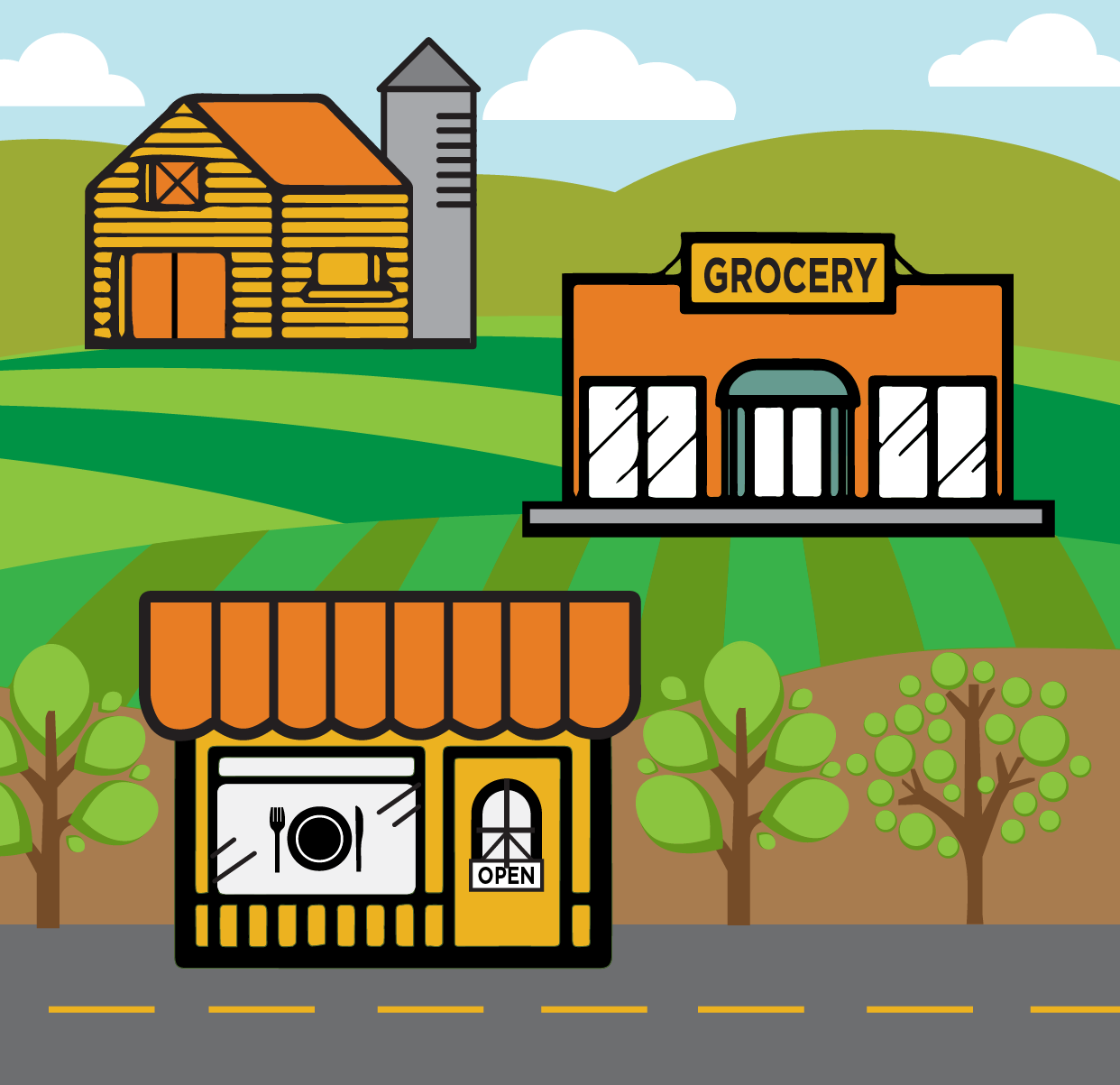
Food Lifeline makes it easy for you to donate your surplus food. Whether you are a restaurant with surplus food, or a food company with distressed products, we can handle donations of any size.
 
  • Seattle's Table
    Restaurants, hotels, caterers, and other local food service providers can donate surplus prepared food. Food Lifeline will go to your location, pick up your surplus food, and deliver it the same day to various meal programs in King County. Please click here for more information.
      
  • Produce for the People
    Produce for the People rescues edible, but unmarketable fresh produce from local wholesalers and retailers. Unsold fresh, nutritious fruits and vegetables are collected from produce wholesalers and distributed directly to food banks the same day. Please click here for more information.

  • Grocery Rescue
    Local grocery stores can donate perishable product, including produce, dairy, meat, bakery and dry items. Food Lifeline will pick up donations at the retailers location and distribute it to meal programs and food banks across King County. For retailers outside of King County, Food Lifeline's member agencies throughout Western Washington have been trained to partner pick-ups with their area grocery retailers. Please click here for more information.

  • Product Recovery Program
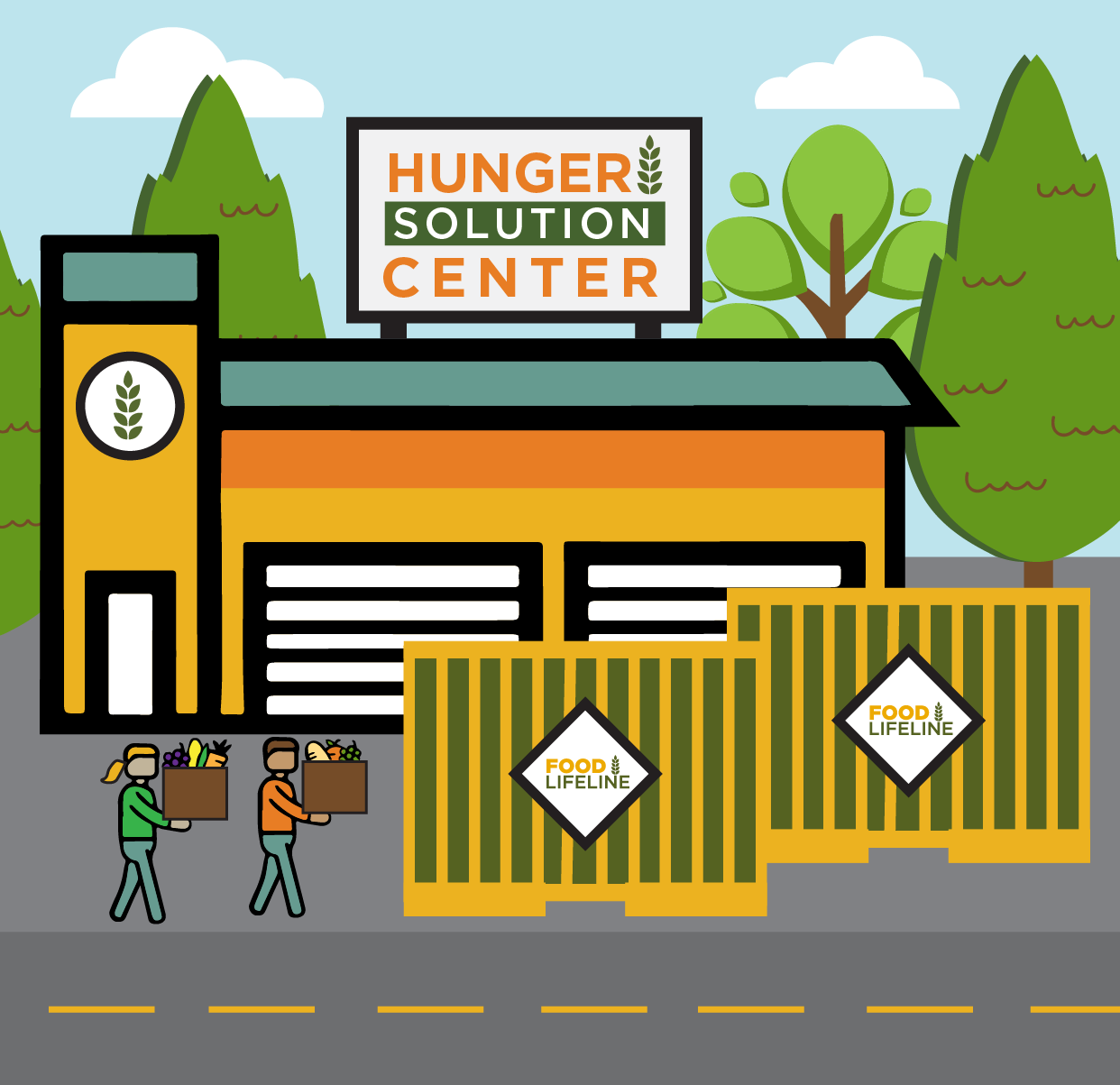
    Food Lifeline's Product Recovery Program is located in its Shoreline facility. The program is designed to evaluate the safety, and to sort a wide variety of donations of dry and canned food, household supplies, and personal care items that Food Lifeline receives from local retailers and community food drives.

  • Rework and Repack Program
    Food Lifeline can receive bulk donations from manufacturers and local retailers. To ensure this product gets to food banks and meal programs throughout Western Washington, Food Lifeline enlists staff and thousands of community volunteers each year to efficiently sort, evaluate, and package a variety of food into smaller sized portions before it is shipped to the new Seattle Distribution Center for distribution to agencies.
      
  • Food Lifeline's Seattle Distribution Center
    Food Lifeline has the capacity and experience to handle donations of all sizes. Designed according to food industry standards, Food Lifeline's 50,000 square foot distribution center located in the Sodo district of Seattle is capable of handling large amounts of product safely and efficiently. Some of its features include:
    • 76,608 cubic feet of refrigerated space
    • 76,608 cubic feet of freezer space
    • 42,228 square feet of dry space
    • 4 inbound docks for donation off-loading
    • 4 outbound docks for Food Lifeline's agencies to pick up food

  • Food Lifeline's Shoreline Volunteer Repack Center
    Food Lifeline's new Seattle Distribution Center means that the facility in Shoreline is going to become the Volunteer Repack Center. The Center is crucial to Food Lifeline's ability to respond to an emerging trend in the food industry: the increased availability of bulk food-including nutritious fresh produce and frozen food-that requires processing before being distributed to hungry people.
    Volunteers are an integral part of Food Lifeline's system to feed hungry people and the new Volunteer Repack Center will ensure that even more food will be distributed to hungry families in Western Washington. The reconfiguration of the center is in the process of being planned out, but some of the current features include:
    • 26,000 cubic feet of refrigerated space
    • 43,000 cubic feet of freezer space
    • 11,553 square feet or 2,937 high-cube dry storage
    • 5,770 square feet of product recovery work area
    • 690 square feet of repack area
    • 6 shipping/receiving docks


Benefits of Donating

  • Food donors are protected from liability under the Federal "Good Samaritan Law".
  • Companies can receive a substantial tax benefit from donating.
  • Reduce dumping fees and help the environment.
  • One phone call reaches an entire network.
  • It makes good business sense and demonstrates your company's concern for the less fortunate in your community.


Donate Your Unmarketable Food
We accept food donations from all elements of the food industry:

  • Distressed Products
    Call Food Lifeline when faced with the following distressed product or inventory problems:
     
    • Production overruns
    • Off-specification products
    • Short-dated products
    • Reformulations
    • Mislabeled or unlabeled packages
    • Private-label brands
    • Discontinued brands
    • Salvage
        
  • Prepared Foods
    If you are a food service provider, then we can pick up your surplus food. Typical donors include: local restaurants, caterers, corporate dining rooms, cafeterias, hotels, convention centers, hospitals, retailers, airlines, vending companies, and others.
      
  • Perishable Foods
    Food Lifeline also accepts perishable foods such as fruits and vegetables, dairy products and frozen foods.

To discuss making a donation of unmarketable items, please contact our Food Resources Coordinator at (206) 545-6600, ext. 248.


Copyright © 2003, Food Lifeline. All rights reserved.